
A resilient corporate infrastructure is built on the strength of its information architecture and the ease with which it can be accessed. In a competitive market, relying on disjointed storage methods often leads to a breakdown in operational speed and accuracy. Modern leaders recognize that a consolidated digital foundation is essential for maintaining a clear vision across the entire organization.
The adoption of a professional database management strategy ensures that critical records are always secure, searchable, and standardized. When information is housed in a structured environment, teams can eliminate the risk of duplicate entries and conflicting versions of the truth. This technical precision provides a reliable baseline for every strategic initiative and financial projection.
Quality assurance becomes an inherent part of the workflow when digital systems are configured with strict validation rules and permissions. By controlling how data is entered and who can modify it, companies protect the longevity and accuracy of their most valuable intellectual property. This commitment to data quality ensures that the insights generated are always actionable and trustworthy.
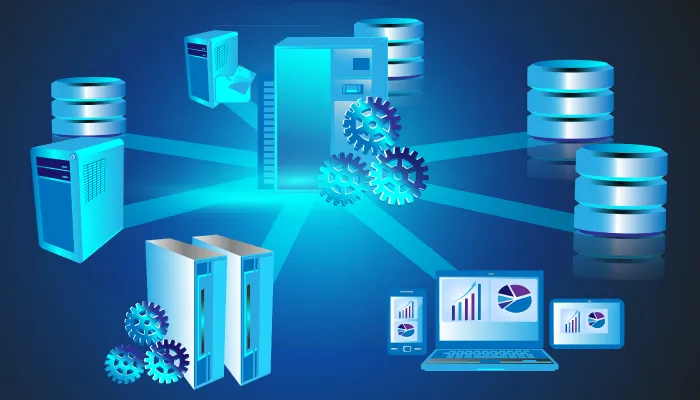
Collaboration among cross-functional teams is simplified when a centralized repository serves as the primary source for all operational activities. Real-time updates ensure that whether an employee is in the office or working remotely, they are always looking at the latest figures. This connectivity reduces friction and allows for a more cohesive response to client needs and market shifts.
An effective approach to database management provides the necessary capacity to handle the increasing volume of digital interactions. As a business scales, its backend systems must be capable of processing complex queries without compromising the speed of the user interface. A robust platform acts as a catalyst for growth, enabling the organisation to take on more ambitious projects.
Innovation is fueled when technology is accessible to everyone in the company, regardless of their technical expertise. By utilizing platforms that offer intuitive design tools, organizations empower their staff to build custom workflows that solve specific departmental challenges. This democratization of data management leads to higher levels of creativity and operational agility.
Business continuity and risk mitigation are significantly improved through the use of automated backup protocols and high-availability clusters. Ensuring that data is recoverable in any scenario is a fundamental responsibility of a modern enterprise to its stakeholders. This level of preparedness allows leadership to focus on future opportunities rather than worrying about potential system failures.
Choosing a versatile Business database platform is a critical decision that influences the long-term efficiency of the entire workforce. Such a platform should bridge the gap between various business functions while providing a secure and scalable environment for growth. Investing in high-quality digital infrastructure is the key to building a future-proof organization.
In conclusion, the sophisticated handling of organizational records is a primary driver of sustainable value in the modern economy. By prioritizing structure and accessibility, companies can transform their information into a significant competitive advantage. The journey toward a more efficient and data-driven future begins with a solid foundation built on reliability and security.
